A leg ulcer that refuses to close after months of dressings. Ankles that swell by noon and itch all night. Bulging veins that ache after a short walk, then leave dark stains on the skin. These are the symptoms that push people into a vein care clinic and, if they are advanced, they benefit from a focused strategy rather than piecemeal fixes. As a vein care surgeon, the approach changes when the disease reaches the point of skin breakdown, recurrent bleeding, or deep aching from venous reflux and obstruction. The tactics are still minimally invasive, but the planning gets more exacting, and the margin for guessing gets thin.
What “advanced” venous disease means in practice
The shorthand many specialists use is the CEAP classification. When I say advanced, I am most often describing C4 to C6. C4 is skin damage: eczema like redness and scaling, brown hemosiderin staining, or thickened, woody skin called lipodermatosclerosis. C5 is a healed ulcer. C6 is an active ulcer. People at this stage typically have a mix of problems, including faulty one-way valves in superficial or deep veins, called venous reflux, and sometimes narrowed or compressed outflow in the pelvis or abdomen that raises the pressure below, called venous obstruction. The result is venous hypertension in the leg. Blood takes the wrong route, pools in the lower leg, and the tissues live in a low-oxygen, high-pressure environment that invites inflammation, infection, and slow wound healing.
Advanced does not always look dramatic. Some patients have only subtle pigmentation and dense heaviness by late afternoon, but ultrasound shows long segments of reflux. Others come in with weeping ulcers and thickened ankles that resist compression. The severity on the skin does not always track the degree of internal disease, which is why we lean hard on imaging.
How I evaluate: mapping the actual problem, not just the surface
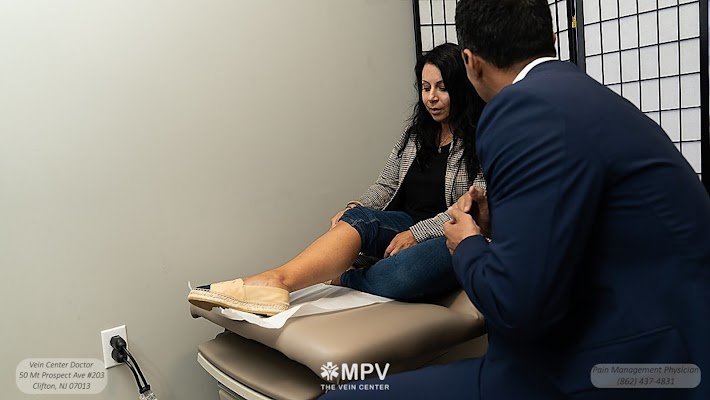
Diagnosis begins with a meticulous history and a directed exam. I ask about prior deep vein thrombosis, leg fractures, pelvic surgery, pregnancies, weight changes, long standing or sitting, and family history. I want to know how fast swelling rises through the day, whether night cramps ease with elevation, and whether stockings helped or simply shifted discomfort. I look for varicose veins along the great or small saphenous systems, clusters of spider veins that point to refluxing tributaries, and skin changes along the gaiter area above the ankle. I palpate for cord-like tenderness that might mean superficial thrombophlebitis and check pulses to make sure arterial inflow is not compromised. If ankle pulses are faint, I measure an ankle-brachial index. Compression therapy is not safe if arterial supply is poor.
The cornerstone test is duplex ultrasound, done with the patient standing when possible. That is how gravity loads the system and makes reflux appear. In superficial trunks like the great saphenous vein, reflux longer than about half a second is significant. In deep veins, sustained flow reversal longer than one second raises suspicion. I map every segment: saphenofemoral junction, great saphenous thigh and calf, small saphenous, anterior accessory saphenous, perforators, and any big tributaries feeding clusters. For patients with a history of DVT or those with thigh and groin fullness that seems out of proportion, I extend the evaluation to the iliac veins. A noninvasive venous duplex can hint at obstruction with velocity changes, but when the story and exam suggest pelvic outflow disease, intravascular ultrasound with venography remains the best way to see the actual narrowing and plan a stent.
I also photograph ulcers and skin changes at baseline. When you track with measurements and high resolution images every few weeks, you see whether therapy is genuinely helping, and you can adjust quickly.
Compression and elevation: still the foundation when done right
Compression is not an accessory. For advanced disease, it is therapeutic, but it has to be strong enough and used consistently. Graduated knee-high compression in the 30 to 40 mmHg range is my starting point if the ankle-brachial index is normal. If the skin is too tender, or if swelling is too much for a sock to handle, I begin with multilayer wraps that generate sustained working pressure with walking. Unna boots help when patients are ambulatory and need zinc-impregnated gauze to soothe dermatitis. Custom flat-knit garments are best for odd limb shapes or severe lipodermatosclerosis because they resist rolling and give more predictable containment.
Elevation is not just “put your feet up.” I coach specific routines: heel slides and ankle pumps to milk the calf, three to five minutes of toes up and toes down every hour you are awake, and 20 to 30 minutes of legs above heart level in the evening to finish the day with lower vein specialist near me venous pressure. These simple drills reduce nighttime cramps and set up the morning with less edema.
Patients often ask if compression will cure the problem. It will not fix broken valves or a blocked iliac vein, but it protects tissue while we address the underlying engine of reflux or obstruction. In ulcers, compression plus wound care starts healing, but definitive closure arrives faster when you also correct the refluxing trunk that keeps the pressure high.
Treating the engine of reflux: closing diseased trunks
Advanced disease usually includes a refluxing great saphenous or small saphenous vein that feeds the pressure problem. Shutting that trunk is one of the most effective steps a venous reflux doctor can take. We do it in the office with local tumescent anesthesia and ultrasound guidance. The specific method depends on anatomy, skin status, and patient preference.
Radiofrequency ablation and endovenous laser ablation heat the vein from inside, causing it to collapse and fibrose. Both have closure rates above 90 percent at 1 to 3 years in most contemporary series. The key differences are the energy profile and the choice of fiber or catheter. Lasers at 1470 nm paired with a radial fiber tend to cause less bruising than older wavelengths. Radiofrequency catheters deliver segmental heat with controlled pullback. In thin patients or those with painful skin, non-thermal, non-tumescent options avoid large volumes of anesthetic infiltration. Cyanoacrylate adhesive seals the vein with small injections of medical glue and manual compression. Mechanochemical ablation uses a rotating wire to injure the endothelium while delivering sclerosant. Both avoid thermal injury to adjacent nerves, which matters along the below-knee great saphenous vein where the saphenous nerve rides close, and along the small saphenous vein where the sural nerve can be irritated.
The choice is not one-size-fits-all. In a patient with a large, tortuous great saphenous segment, heat-based ablation offers durability. In someone with tender stasis dermatitis around the calf or an active ulcer near the ankle, I favor adhesive or mechanochemical ablation to protect the skin and nerves. Insurance coverage shapes the conversation too, but a good vein closure doctor can work within those constraints to match the method to the leg.
People worry about downtime. Most return to work in 24 to 48 hours after ablation, with immediate walking recommended. I keep compression on for one to two weeks if skin allows. The measured discomfort peaks the first two to three days, then fades. The benefits in heaviness and aching often appear within a week. Skin changes improve over months. Ulcer healing timelines shorten meaningfully when reflux is corrected.

Dealing with tributaries: phlebectomy and foam sclerotherapy
Once the main trunk is closed, the ropey tributaries and clusters that remain can be addressed. Ambulatory phlebectomy removes bulging veins through 1 to 2 mm incisions. In experienced hands, it is quick and tidy, with small tapes instead of sutures. As a microphlebectomy specialist, I use it when tributaries are large, superficial, or lying in areas where foam might pigment the skin. Recovery is similar to ablation, with bruising for a week or two and local tenderness that resolves.
For diffuse networks and non-bulging veins, ultrasound guided sclerotherapy offers flexibility. A foam sclerosing agent, often polidocanol or sodium tetradecyl sulfate, is mixed with air or CO2 and injected under ultrasound control into the target veins. The foam displaces blood and contacts the endothelium to scar the vessel shut. An ultrasound guided sclerotherapy specialist focuses on slow, precise injections with minimal volume to limit matting and pigmentation. I warn patients that discoloration can linger for months, especially if the skin was inflamed to begin with. The trade-off is less invasiveness for areas where phlebectomy would require many incisions.
Occasionally, an incompetent perforator vein keeps feeding high pressure into the ulcer bed. In those cases, I treat the perforator directly with thermal or foam techniques once the main trunks are addressed. Selectivity matters. Treating the whole map reduces recurrence and gives the skin a chance to remodel.

When obstruction is the real driver: opening the outflow
Some legs fail to improve because the outflow is pinched at the iliac vein or even higher. Clues include swelling that is worse on one side, discomfort in the groin or buttock, and prominent pelvic or abdominal wall collaterals. Prior DVT is a clear red flag, but many patients develop iliac vein compression without clot history. If noninvasive studies and the clinical picture align, I move to venography with intravascular ultrasound. That combination measures the lumen and detects intraluminal webs or scarring that external imaging can miss.
When I find a significant narrowing, stenting the iliac vein restores diameter and lowers pressure transmitted to the leg. The target is to reconstruct a straight, adequately sized channel into the vena cava. Dedicated venous stents have improved outcomes. Patients usually go home the same day on antiplatelet therapy, and sometimes short-term anticoagulation if there is residual thrombus or high-risk history. The effect can be striking. I remember a 62 year old teacher with a 6 cm medial ankle ulcer that hovered despite perfect compression and a well done saphenous ablation. Her intravascular ultrasound showed a 70 percent left common iliac narrowing with dense webs. After stenting, the edema softened within a week. With multilayer wraps and clinic debridement, the ulcer finally closed in eight weeks.
Not everyone with reflux needs a stent. Not everyone with a stent needs reflux ablation. The art is in sequencing. When I suspect mixed disease, I correct outflow first, then target reflux. That order often reduces the burden of superficial disease and speeds skin recovery.
Wound care that respects venous biology
Venous ulcers want lower pressure, cleaner edges, and a moist, protected bed. I tell patients that the weekly rhythm matters more than any single product. We start with thorough but gentle debridement to remove slough and biofilm. Sharp debridement in the clinic is efficient. For tender legs, enzymatic agents help between visits. Dressings are selected based on exudate. For heavy drainage, foams and superabsorbent layers keep the periwound skin dry. For moderate drainage, hydrofiber dressings balance moisture. If colonization looks high, a short course of silver impregnated dressings helps, then we step down to simpler options. Periwound eczema responds to low to mid potency topical steroids, but I avoid steroids on the ulcer itself.
Infection is less common than many fear, but it must be recognized early. Increased pain, malodor, and advancing redness are the tells. A short course of antibiotics is warranted when cellulitis is present. Culture is helpful in recurrent cases. Fungal overgrowth around the wrap is more common than bacterial infection. A topical antifungal under the compression can fix the itch and scaling within days.
Pharmacologic adjuncts have a place. Pentoxifylline can improve microcirculatory flow and has modest evidence for faster venous ulcer closure when added to compression. Some clinicians use micronized purified flavonoid fractions. The effects are mild compared to correcting reflux and maintaining compression, but in a stubborn ulcer, small gains add up.
Medication and clot management in advanced disease
Clots complicate the picture at both ends of the spectrum. Deep vein thrombosis requires full anticoagulation unless there is a strong contraindication. For superficial thrombophlebitis, I look at length and proximity to junctions. A cord of thrombosed vein more than 5 cm in length or one close to the saphenofemoral or saphenopopliteal junction earns anticoagulation for 30 to 45 days in most cases. Short, localized superficial clots can be managed with NSAIDs, local heat, and compression. I do not ablate a vein with an active superficial clot. We wait for resolution or partial organization, then reassess.
People with past DVT can still benefit from ablation of refluxing superficial trunks. Closing a leaky saphenous vein often reduces edema load and pain, even if the deep valves remain imperfect. The timeframe and anticoagulation plan are individualized with a venous disorders doctor who knows both thrombosis and chronic venous insufficiency. A deep vein thrombosis specialist in a vascular and vein clinic can coordinate anticoagulation and intervention so that ulcer care is not delayed.
Rehabilitation and daily tactics that pay off
Beyond procedures and dressings, small daily choices make legs feel lighter. Calf strengthening is worth the effort. Two sets of 15 slow heel raises twice a day build the muscle pump that powers venous return. A short walk after each meal prevents the prolonged sitting that swells ankles. Elevation at night with a firm pillow under the calves, not behind the knees, reduces venous pressure without kinking inflow. Skin care matters too. Plain emollients preserve the barrier. Fragrances and lanolin can irritate stasis skin, so I keep routines simple.
Footwear with a bit of heel-to-toe drop and a firm counter helps patients with lipodermatosclerosis who struggle to push off. For those who stand at work, a small platform to alternately rest one foot reduces static load on the calf veins. On long flights or drives, I advise pre-hydration, knee-high compression, frequent ankle pumps, and at least two walking breaks every two hours. These adjustments are small on paper, but the cumulative effect is real.
What to expect from procedures and timelines
Patients facing advanced disease want norms. Here is what I tell them. Office based ablation of a refluxing great saphenous or small saphenous vein takes about 30 to 60 minutes per leg. You walk immediately. Expect tightness along the treated path for about a week and twinges with ankle dorsiflexion that fade by day ten. Bruising varies. Most people use acetaminophen or ibuprofen and never touch the narcotic that sits in their cabinet. Phlebectomy adds localized bruising under the tapes for about a week, with a few tender spots that complain when you brush them, then quiet down.
Ulcer closing times vary with size and duration. Small ulcers under 2 cm with corrected reflux and good compression often close within 4 to 6 weeks. Large or long standing ulcers can take 8 to 12 weeks or longer. Randomized trials have shown that treating the refluxing trunk early, rather than delaying for compression alone, shortens healing by several weeks and reduces recurrence over the next year. That matches what I see in the clinic.
Complications exist, and honest counseling matters. Skin burns from thermal ablation are rare with proper tumescent anesthesia. Nerve irritation can cause numb patches along the calf or lateral foot in small saphenous treatments. Most resolve over weeks to months. Endothermal heat induced thrombosis, a clot extension close to the deep system, is uncommon. We screen with a follow-up ultrasound in a week and treat promptly if it appears. DVT after ablation is rare, below 1 percent in most series, but the risk is real in high-risk patients, and we plan prophylaxis accordingly.
When to call a vein care provider immediately
- Sudden calf swelling with deep ache and warmth that does not ease with elevation, especially if one leg is much larger than the other. New shortness of breath or chest pain after a leg procedure. Spreading redness, fever, or purulent drainage from an ulcer or incision site. Severe, worsening pain along a treated vein that does not respond to over-the-counter medication. Numbness or foot drop after a small saphenous procedure.
Preparing for your first visit to a vein health clinic
- Wear or bring any compression garments you use, even if they did not help. Bring a list of medications and prior imaging or procedure notes, especially any DVT records. Note a typical day of swelling and pain, including what eases or worsens it. Do not skip food or fluids, since some visits include walking or standing ultrasound. Wear shorts or bring a pair to allow full leg access for examination and imaging.
Choosing the right team and setting
Advanced venous disease deserves a team that does more than cosmetic work. A vein treatment center that handles ulcers and obstruction will have duplex technologists skilled in reflux mapping, a venous care specialist comfortable with both thermal and non-thermal closure, and access to pelvic venography and stenting when needed. Ask whether the practice treats C6 ulcers routinely, not just spider veins. A spider vein clinic is perfect for cosmetic telangiectasias, but it is not where you rebuild a leg with mixed reflux and iliac obstruction.
Credentials matter less than outcomes, but both count. Look for a venous specialist doctor or vascular vein surgeon who can discuss closure rates, nerve risk, and their protocol for endothermal heat induced thrombosis. An ultrasound guided sclerotherapy specialist should describe how they minimize pigmentation and nerve contact, and a microphlebectomy doctor should be comfortable outlining incision care and recovery. The language varies: vein injection specialist, vein laser doctor, vein closure specialist. The skills you want are careful diagnosis, a complete toolkit, and a bias toward durable function over quick aesthetics when the skin is at stake.
The setting should support outpatient care. An outpatient vein clinic with onsite imaging cuts delays. A leg vein clinic that partners with a wound care center can coordinate frequent dressings without forcing you to commute between systems. For those with complex history, a vascular medicine specialist for veins offers oversight on anticoagulation and rare conditions like May Thurner anatomy or post thrombotic syndrome. A vein ulcer specialist monitors closure, adjusts compression, and calls in a vein intervention doctor when an iliac stent will tip the balance.
Edge cases, trade offs, and judgment calls
Treating perforators in venous ulcers remains an area where judgment matters. Some ulcers heal once you correct the saphenous trunk and apply solid compression. Others keep a pulsing feeder that lights up on ultrasound right under the ulcer bed. In those cases, targeting the perforator speeds closure. Treat all perforators you see, and you risk scars and nerve irritation without gain. Treat the wrong ones, and you waste time. The best sequence is to correct major reflux, compress consistently, and reassess perfusion of the ulcer plate at two to four weeks. If the perforator peak velocities remain high and the wound edges are stalled, intervention pays off.
Stasis dermatitis brings its own trap. Topical steroids quell the itch and redness fast, but overuse thins fragile skin and invites infection. I prefer a short course of low to mid potency steroids for the periwound area and plain emollients elsewhere, with antifungal where needed. Scratching at night undoes a week of good work. I use simple measures like soft cotton socks over moisturized legs at bedtime and a non sedating antihistamine in the evening if itch is severe.
Arterial disease can masquerade as refractory venous disease. If compression hurts the foot or the ulcer base looks punched out and dry, check arterial inflow. A leg circulation doctor should measure the ankle-brachial index, and if it is low, refer for arterial imaging. Mixed arterial and venous disease requires a careful balance. Too much compression can ischemically injure skin, but too little lets edema drown the wound. In those cases, modified wraps and staged arterial repair come first.
Lymphedema often overlaps advanced venous disease. It thickens skin and resists standard compression. Manual lymphatic drainage and custom flat knit garments improve fit and comfort. Ablation still helps when reflux exists, but set expectations. The leg will remain larger than the other, but it will feel and function better.
The goal: durable legs, not temporary fixes
Advanced venous disease responds to a combination of precise diagnosis, methodical intervention, and relentless attention to compression and movement. The tools at a modern vein solutions clinic are strong, from thermal ablation in a vein laser clinic to adhesive closure by a vein minimally invasive doctor, from ambulatory phlebectomy by a seasoned ambulatory phlebectomy specialist to foam by a careful foam sclerotherapy doctor. Add iliac stenting when outflow is crushed, and the path to ulcer closure and lighter legs opens.
What you should expect from a vein care surgeon is not just a device choice, but a plan that fits your limb: compression that you can actually wear, procedures sequenced to the disease biology, wound care that respects the skin, and follow up that adapts to how you heal. With that approach, even C6 disease can move back to C5 and then to C4, with skin that is calmer and stronger. The sooner the engine of venous hypertension is addressed, the easier the climb.
If you are living with stubborn swelling, skin changes, or a nonhealing ulcer, the next step is a detailed duplex map at a vein medical clinic that treats advanced disease, not just cosmetic veins. Bring your history, prepare for a standing ultrasound, and ask how they would address both reflux and, if needed, obstruction. A good vein care provider will explain the roadmap in plain language and set milestones you can measure. That is how we turn a leg that feels trapped in a pressure cuff into one that can carry you through a day without complaint.